Curriculum – Computing DocumentsDownload
ComputingDownload

Curriculum Intent

‘’A high-quality computing education equips pupils to use computational thinking and creativity to understand and change the world. ‘’

National Curriculum 2014

The intent of our Computing curriculum is to deliver a curriculum which is accessible to all and that will maximise the outcomes for every child so that they know more, remember more and understand more. At Breckon Hill Primary School we aim to give our pupils the life-skills that will enable them to embrace and utilise new technology in a socially responsible and safe way. We want children to become autonomous, independent users of computing technologies: gaining confidence and enjoyment from their activities.

We ensure all children:

  • have access to a rich variety of high‑quality materials, regardless of their socio‑economic background
  • can present information in new and creative ways that support their understanding and help them use technology with confidence
  • are able to use a wide range of appropriate programs effectively to support and enhance their learning
  • are challenged, motivated, and inspired to develop a love of learning through their engagement with the Computing curriculum

Not only do we want them to be digitally literate and competent users of technology, we also want them to develop creativity, resilience and problem-solving as well as critical thinking skills.

Curriculum Implementation

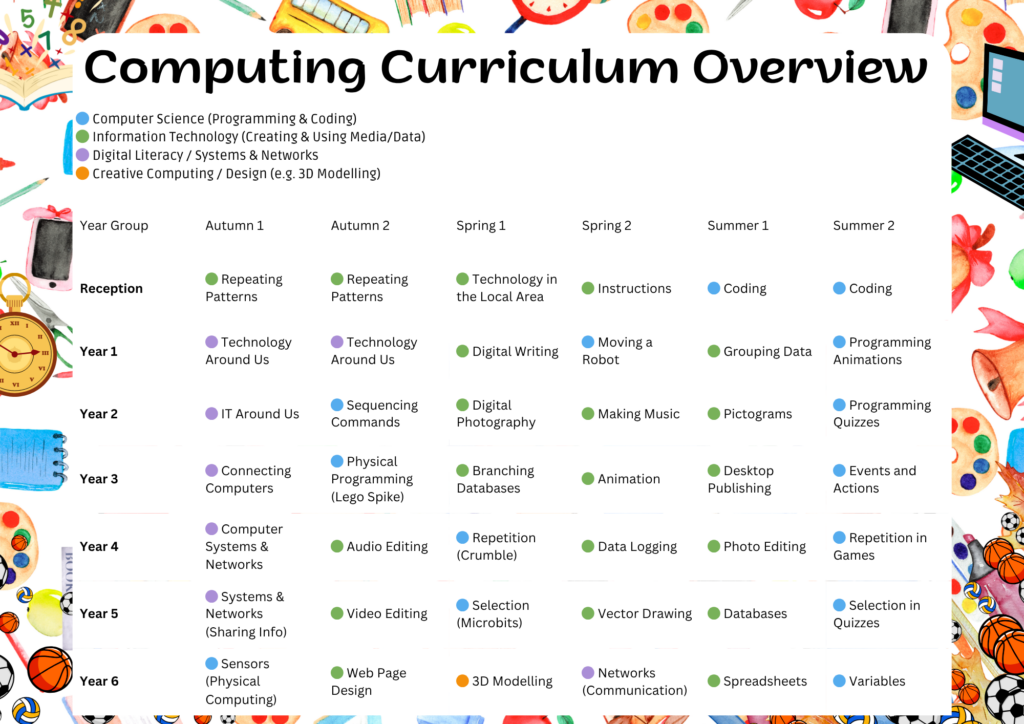
At Breckon Hill, computing is taught in discrete computing lessons on a weekly basis. The foundation of our curriculum in the Teach Computing scheme which has been personalised to enrich our curriculum offer.

Our scheme has been closely referenced against the 2014 National Curriculum attainment targets in order to ensure progression and coverage.  Having discrete lessons allows children to develop depth in their knowledge and skills over the duration of each of their computing units.

Units are carefully planned across the year and across year groups to allow pupils to revisit the skills taught at different points. The curriculum provides pupils with rich and varied opportunities to explore a wide range of computing programs and digital tools. These experiences deepen their understanding of technology and support them in applying their learning to meaningful, real‑world contexts.

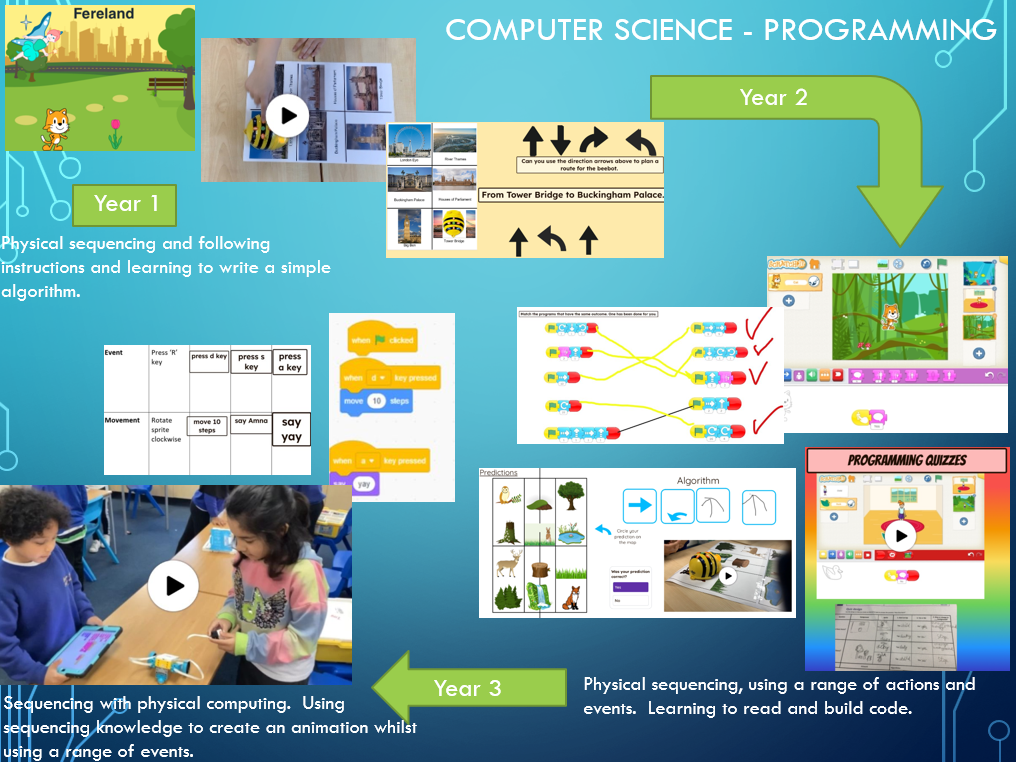
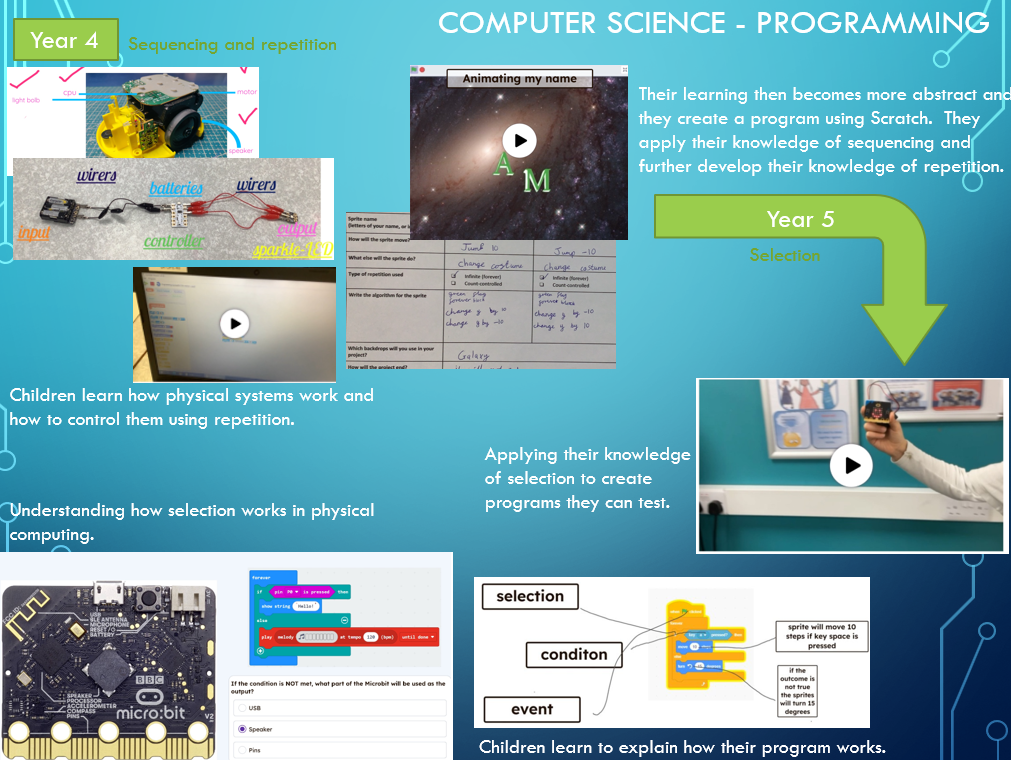
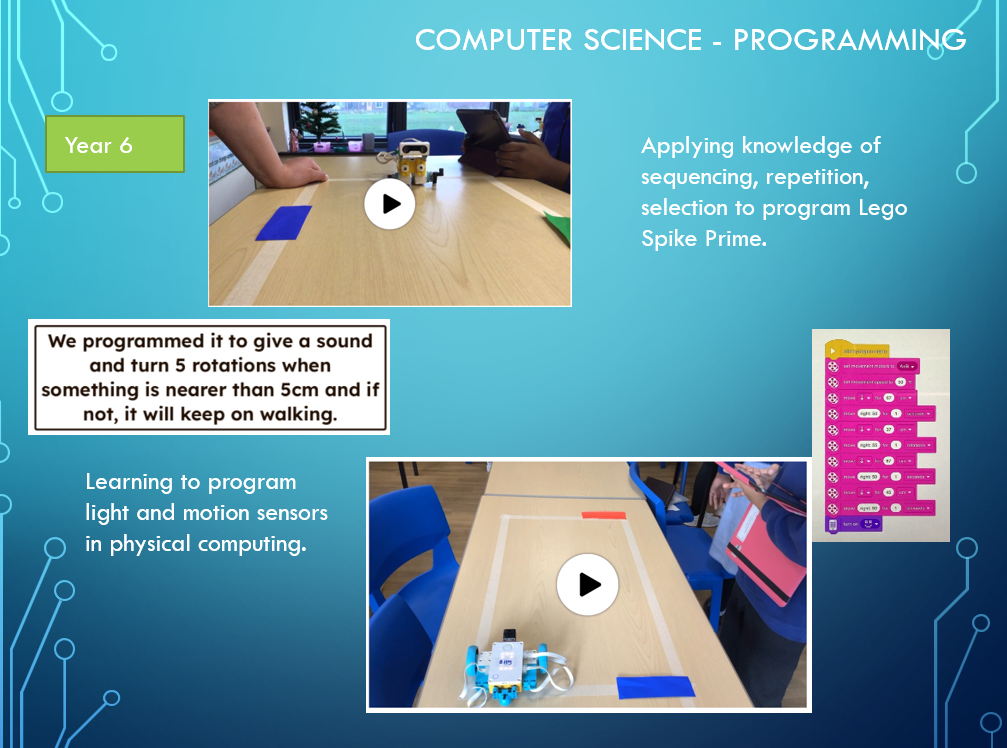
During lessons, children use digital devices such as laptops and iPads to support and enhance their learning, gaining access to a wide range of apps and software. In Computer Science lessons, pupils also engage with physical programming, giving them hands‑on opportunities to explore computing concepts in practical ways. These experiences help embed key skills, deepen understanding, and develop their computational thinking.

Digital Literacy is threaded throughout the computing curriculum and is linked closely with PSHE to allow the pupils to see the connections of what they are being taught through computing in the real world. Where appropriate, meaningful links will be made between the computing curriculum and the wider curriculum during the year.

Curriculum Impact

Our computing curriculum provides pupils with a fun, engaging, and high‑quality education in which they develop the knowledge and skills necessary to thrive in a technology‑rich world. The impact of our approach is evident in the quality of pupils’ work, captured on Seesaw and in the classroom, which teachers use to inform ongoing assessment and future planning.

By revisiting key knowledge and skills across year groups, teachers ensure that learning is progressive and gaps are addressed promptly. This structured revisiting strengthens pupils’ understanding and enables them to apply computing concepts with increasing independence and confidence.

Assessment allows teachers to monitor progression effectively and adapt teaching to meet learners’ needs. The subject leader continuously evaluates the curriculum’s effectiveness, with evidence captured as part of an annual portfolio to support ongoing development.

As a result, pupils become digitally literate, responsible, and creative users of technology, equipped with the computational thinking skills needed to understand and influence the world around them. They leave primary school prepared not only for the next stage of their education but also for active participation in an increasingly digital society.